From appointment booking to medication management to clinical analytics — a decade-long partnership spanning four major redesigns and countless quiet improvements.
Role
Lead UX Designer
Span
3 years
Redesigns
4 major
Patients
2M+
Healthcare Hub · Appointment booking · 2024
Design shifts
Design evolution
Then (2016)
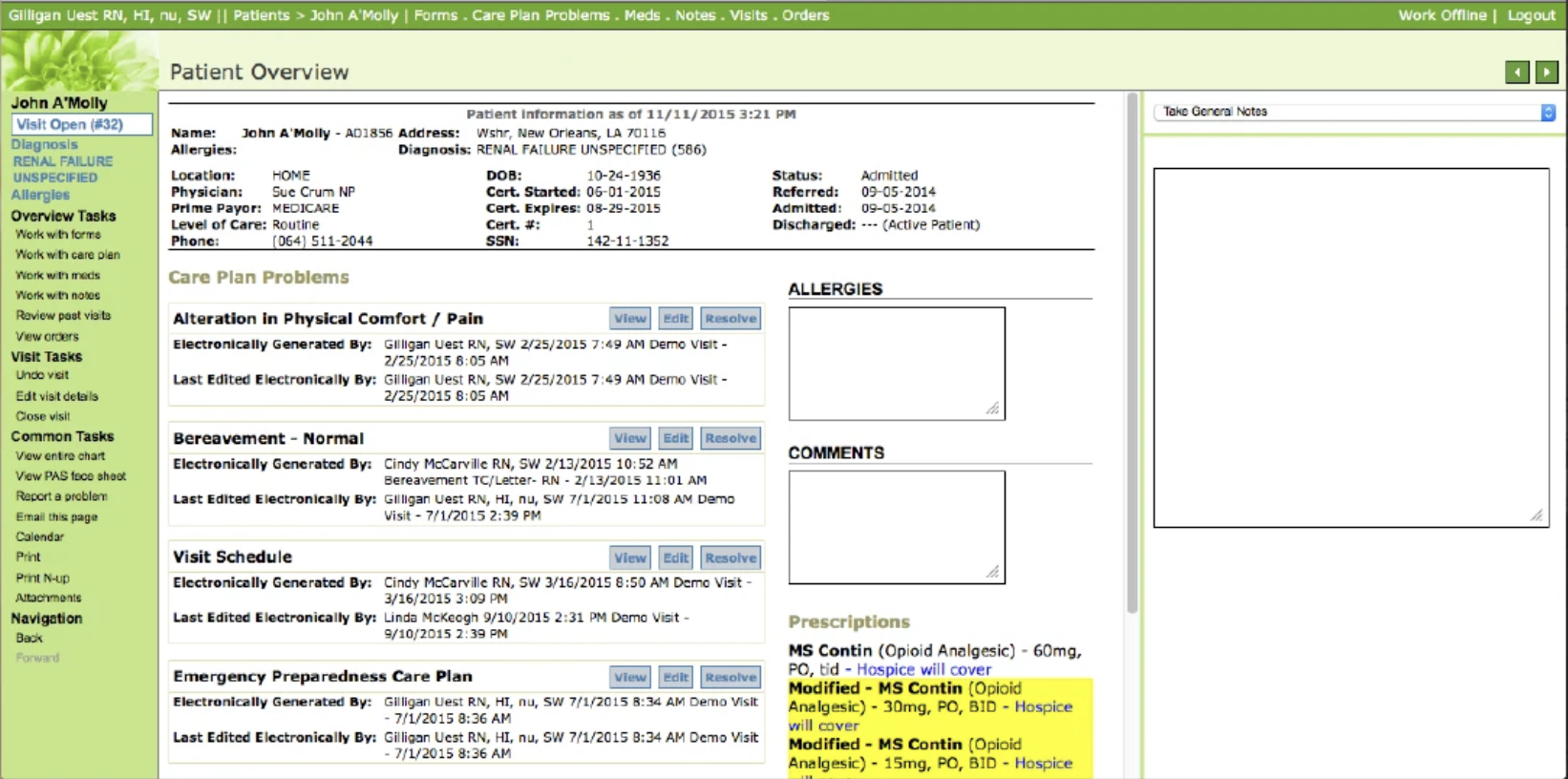
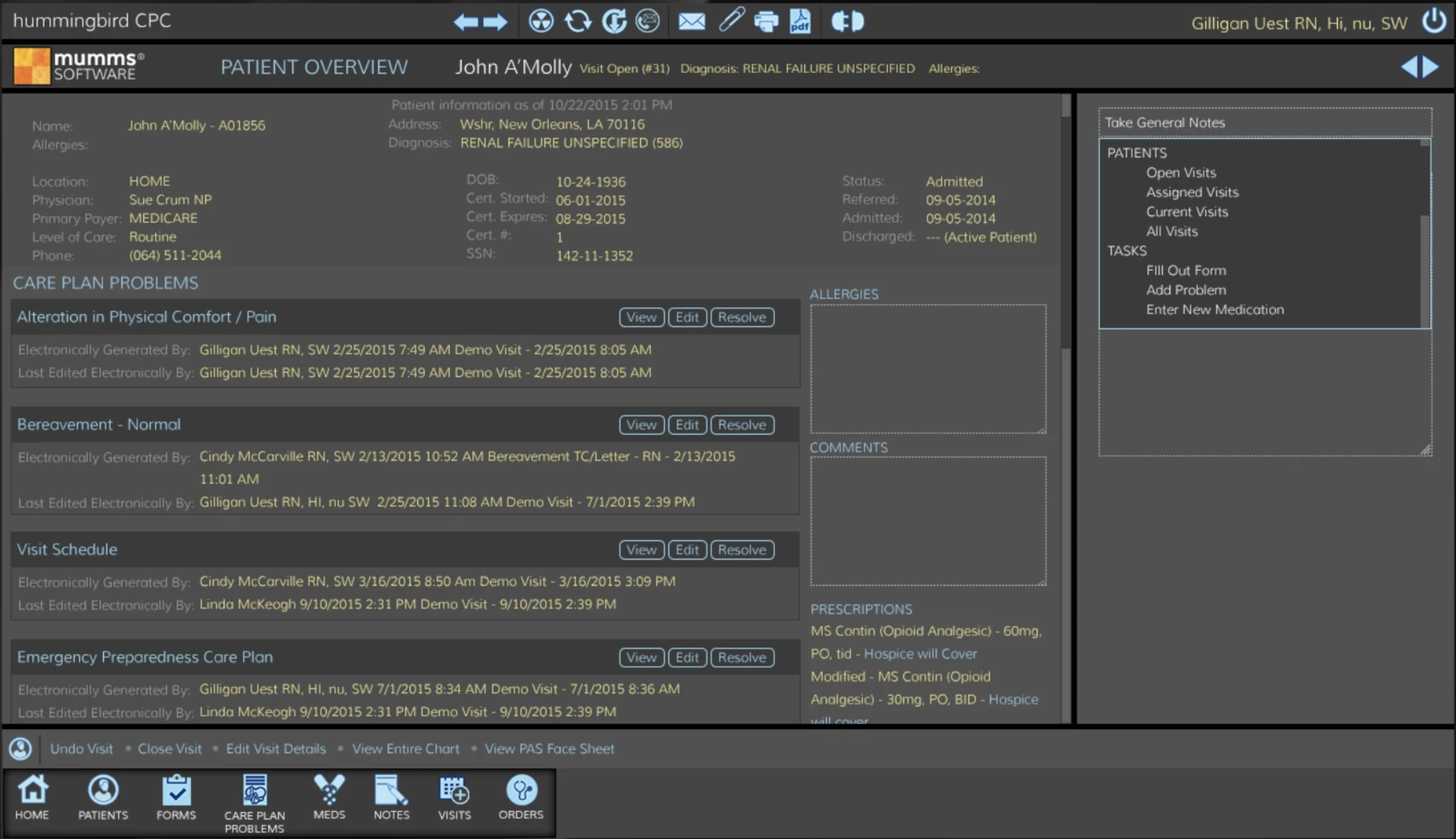
In 2016, I was tasked with redesigning a legacy healthcare management system that had been in use since the early 2000s. The original interface was cluttered, inconsistent, and built with outdated patterns that frustrated both medical staff and administrators.
My redesign focused on streamlining workflows, introducing a cleaner visual hierarchy, and making critical patient information more accessible. While progressive for its time, the design reflected the constraints and patterns of mid-2010s web design.
Now (2026)
Today, healthcare UX has evolved dramatically. Modern systems prioritize accessibility, real-time data visualization, and mobile-first responsiveness. Design systems have matured, and users expect sophisticated interactions that feel native and intuitive.
This retrospective explores how I would approach the same problems today, applying contemporary design principles, better information architecture, and lessons learned from years of design evolution.
Key Principles
Key principles that shaped the transformation
Information Density
Moving from cramped, data-heavy layouts to breathing room with strategic white space and progressive disclosure patterns.
Accessibility First
Embracing WCAG 2.2 standards, high contrast ratios, keyboard navigation, and screen reader optimization from the start.
Data Visualization
Replacing static tables with dynamic, interactive visualizations that reveal insights at a glance.
Human-Centered Design
Shifting from system-centric to patient-centric language, emphasizing empathy and reducing cognitive load for stressed users.
The Design Evolution
Comparing the legacy system from my 2016 redesign
The transformation shows the dramatic shift in healthcare UX thinking and visual design principles.
Table-heavy layouts, system colors, minimal hierarchy, desktop-only
Introduced visual hierarchy and generous whitespace
Applied flat design principles and modern color palette
UX & Functionality
Streamlined workflows and reduced cognitive load
Better information architecture for clinical data
Improved navigation and task completion paths
Modern Redesign
How I would design it today
Exploring how modern design principles, accessibility standards, and contemporary patterns would transform these same interfaces in 2026.
SM
Sarah Mitchell
ID: PT-4821DOB: March 15, 1985Age: 41Gender: Female
Vital Signs
120/80mmHg
Normal
72bpm
Normal
98.6°F
Normal
98%
Normal
Recent Medical History
Annual CheckupApr 10, 2026
Provider: Dr. Patterson
Routine physical examination, all results normal
Lab ResultsJan 15, 2026
Provider: Dr. Chen
Cholesterol screening, slightly elevated LDL
ConsultationNov 3, 2025
Provider: Dr. Patterson
Follow-up on prescribed medication
Current Medications
Lisinopril
10mg daily
Prescribed by Dr. Patterson
Metformin
500mg twice daily
Prescribed by Dr. Chen
Medication Management
Current prescriptions for Sarah Mitchell
Lisinopril
10mg · Once daily
Prescriber
Dr. Patterson
Prescribed Date
Jan 15, 2026
Refills
3 remaining
Status
Active
Metformin
500mg · Twice daily
Prescriber
Dr. Chen
Prescribed Date
Nov 3, 2025
Refills
2 remaining
Status
Active
Atorvastatin
20mg · Once daily at bedtime
Prescriber
Dr. Patterson
Prescribed Date
Jan 15, 2026
Refills
5 remaining
Status
Active
Aspirin
81mg · Once daily
Prescriber
Dr. Rodriguez
Prescribed Date
Mar 3, 2025
Refills
No refills
Status
Discontinued
Schedule Appointment
Select a date and time for the patient
April 2026
Available Time Slots
Appointment Details
Practice Analytics
Performance metrics and insights
Patient Satisfaction
4.8/5
+0.2 vs last month
Avg Wait Time
12 min
−3 min vs last month
Appointment Utilization
94%
+2% vs last month
No-Show Rate
3.2%
−1.1% vs last month
Patient Volume Trend
Jan
Feb
Mar
Apr
New Patients Total Appointments
Top Appointment Types
General Consultation156
Follow-up Visit98
Annual Physical67
Lab Results Review52
Provider Performance
Dr. Patterson
187 patients this month
4.9
Dr. Chen
164 patients this month
4.8
Dr. Rodriguez
142 patients this month
4.7
Reflections
What I learned from design evolution
What Held Up Well
The core information architecture and user flow decisions from 2016 remain sound. The fundamental understanding of healthcare workflows — triage, documentation, scheduling — is timeless. My emphasis on reducing clicks and surfacing critical alerts was ahead of its time. The card-based approach to organizing patient data still makes sense today.
What I'd Change Today
While the 2016 redesign was progressive for its era, today I would elevate the typography with more distinctive font choices, build with a comprehensive design system using tokens for consistency, prioritize WCAG 2.2 accessibility from day one, incorporate sophisticated data visualization for clinical insights, and add thoughtful micro-interactions that guide users through complex workflows.
The Evolution of Healthcare Design
Healthcare UX has matured significantly. We now have established patterns for complex medical data, deeper understanding of clinical workflows, and recognition that healthcare software must serve stressed, time-constrained users in high-stakes environments. The shift from "digitizing paper forms" to "enabling better care" represents the industry's coming of age.